How to Use Lemon Vibrators When You Restart Intimacy After a Long Sexual Hiatus
Whether it's been months or years, coming back to pleasure doesn't have to feel awkward. Here's exactly how to rebuild sensation and confidence at your pace.
Months. Maybe years. Life happened. Illness, grief, work stress, relationship strain, medical recovery, or just the sheer weight of existing in 2026. Sex stopped. And now you're wondering if your body still works the way it used to, or if you even want it to.
When you haven't had sexual contact for a long time, a few predictable things happen. Blood flow patterns shift. Neural pathways grow quieter. The pelvic floor might feel tense or unfamiliar in its own space. Mentally, there's often this weird self-consciousness layer. "Is this going to feel like my body anymore? Am I broken?"
You're not broken. You're recalibrating.
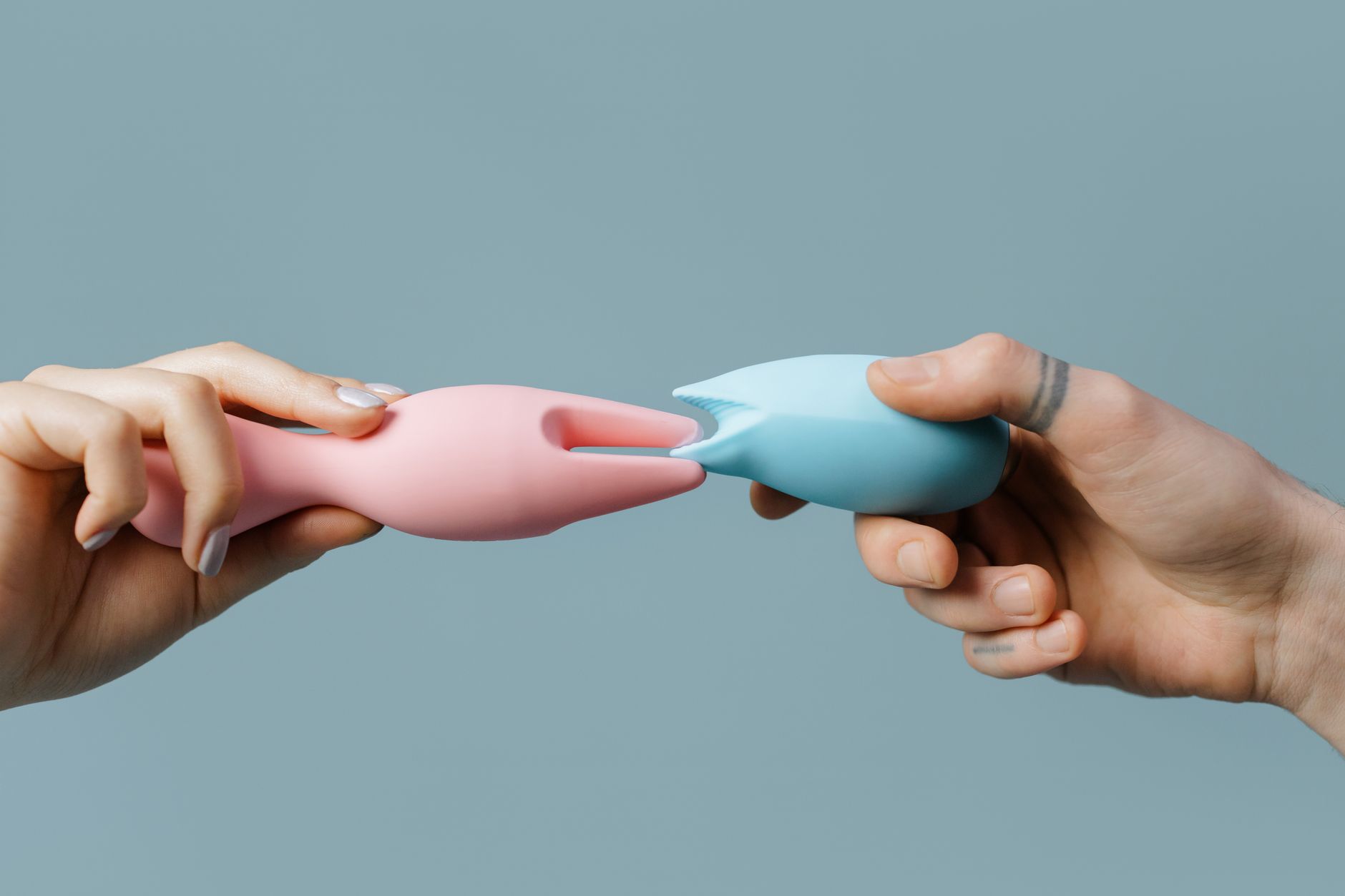
The lemon clitoral vibrator's design is built exactly for this moment. Unlike penetrative options that require you to rebuild confidence in your whole system at once, a lemon sucker works through gentle, rhythmic stimulation that reawakens nerve pathways without pressure or expectation. It's the gentlest way back.
This is crucial, and I say this as someone who works with couples every day: if you're restarting with a partner, you need at least one solo session first.
Using a lemon vibrator alone lets you do three things without negotiating with anyone else's pace or anxiety. First, you rebuild trust with your own body. Second, you get to learn what feels good again without performing. Third, you create a win. One orgasm. One moment where you think, "Okay, I'm still me."
Set aside maybe 30 minutes. Not because you need that long, but because you need permission to meander. Try it on a low setting. Notice what the suction feels like. Does it feel good immediately, or does it take a few minutes? Both are normal.
If you've been away from sexual activity for 6 months or longer, expect that your body's arousal response will have slowed. Lubrication might take longer. Sensation might feel muted the first time or two. This isn't permanent. It's exactly like muscle memory in reverse. You're asking your system to wake up again.
Three things help accelerate this.
First, consistency. One solo session with your lemon clitoral vibrator is nice. Once a week for the next four weeks? That rebuilds the neural pathway much faster. Second, give yourself permission for the first few sessions to feel mediocre. You're not chasing an orgasm right now. You're rebuilding the conversation between your brain and your body. Third, use water-based lubricant even if you think you don't need it. Tissues that have been dormant benefit from the extra glide, especially with longer sessions.
If your gap was just you being away from sex, but you have a partner you want to come back to, there's a specific way to do this that doesn't turn into performance pressure or a therapy session.
Then do this: use it together, but without any other sexual contact. You're not trying to have sex yet. You're using your lemon clitoral vibrator while they're present, or while they're touching you elsewhere, but the vibrator is the star. This separates the "rebuilding my own sensation" work from the "connecting with my partner" work. Both are important, but they happen in different order.
Week one: your body might feel weird. The vibration might feel jarring or unfamiliar. This is normal. Week two: sensation usually starts to sharpen. You might have your first "oh, this feels good" moment. Week three: you're probably getting reliable pleasure, maybe orgasms. Week four: you're starting to feel like yourself again.
But here's the thing. Not everyone follows this timeline. Some people restart faster. Others need two months. If you're coming back from significant trauma or medical pain, it might take longer, and that's when working with a therapist alongside your physical restart becomes really valuable.
About 40% of people restarting after a long gap tell me they hit a wall around week two or three. The anxiety catches up. "What if my body doesn't work the way it used to?" "What if my partner thinks this is weird?" "What if I've changed?"
You have. You've probably changed a lot. That's not a bug. It's information.
When anxiety shows up, the instinct is to push harder or quit altogether. Instead, dial back the intensity. Go back to week-one settings on your lemon vibrator. Use it for 10 minutes instead of 20. Read something that turns you on beforehand. Create a little ritual that tells your nervous system, "This is a safe space to feel good."
Most people who slow down and go gentler end up progressing faster than people who try to sprint back to their "normal." There's no timer on this.
Solo restarting after a gap has its own rhythm. You get to decide what pleasure looks like without negotiating it. You can use your lemon clitoral vibrator exactly how and when it serves you.
One note: if you've been alone for a long time and you're restarting solo, the mental component often matters more than the physical one. Your brain might have some convincing to do. "Is this allowed? Do I deserve this?" Yes and yes. Your pleasure is not frivolous. It's a form of self-care that actually has measurable benefits for stress, sleep, and mood.
What if nothing feels good the first few times? Give it four sessions before you decide. Sensation often needs a few reps to wake up. What if you feel nothing below the waist? That can happen after long gaps, especially if anxiety is high. This is when starting with your lemon sucker on lower settings and breathing deliberately matters. Your pelvic floor might be bracing. What if you orgasm immediately and then feel guilty or weird? That's also normal. Your body might have been storing a lot of need. Enjoy it. You can rebuild pacing later.
Restarting intimacy after a long break isn't just physical. It's also about giving yourself permission to want something again. To be a person who feels desire. To take up space with your own pleasure.
If you've been away because of depression or grief, this can feel weird or even disloyal. It's not. Pleasure is part of being alive. Wanting it back is a sign you're healing, not that you're forgetting what you lost.
If you've been away because of relationship strain or medical issues, there's often a grief layer too. "I miss what we had." Rebuilding doesn't mean you're erasing the gap. It means you're choosing to move forward.
Use your lemon vibrator as part of that choice. Not as a fix, but as a tool that says, "I'm worth this. My pleasure matters."
Most people report feeling like themselves again after 4-8 weeks of consistent solo practice with their lemon clitoral vibrator. But "normal" is individual. Some people feel it in two weeks. Others take three months. The key is consistency, not duration. One session a week won't rebuild the pathway as fast as two or three. If you're coming back from trauma or significant health issues, a longer timeline is completely reasonable.
Completely. Tissues that haven't been stimulated in a while often need a few sessions to wake up. Think of it like tuning an instrument that's been in a case for a year. Give it four sessions across two weeks before you worry. Use lower settings, add lubricant, and focus on the sensation rather than the outcome.
One solo session makes a huge difference. It rebuilds your confidence and removes the performance pressure from the first time your partner sees you use it. You're not "performing" sexuality for them. You're simply showing them something you've already reconnected with on your own.
This is really common, and it usually comes from insecurity or unfamiliarity, not actual objection. Many partners worry it means they're not enough. That's worth a conversation, but separately from the vibrator itself. How to use lemon vibrators when your partner resists using toys goes deeper into this, but the short version: positioning it as "this helps me feel close to you" often shifts the dynamic from threat to tool.
Yes, especially when restarting. Even if you lubricate naturally during arousal, adding water-based lube during a longer session reduces friction and lets you stay in pleasure mode longer. It's not a sign your body isn't working. It's just practical comfort.
If your gap was due to pain, trauma, depression, or significant relationship strain, having a professional in the loop really helps. A therapist and a lemon vibrator work together. One addresses your nervous system and beliefs. The other rebuilds your physical capacity for pleasure. Both matter.
Restarting intimacy after a long break feels like loss sometimes. Like you've forgotten how to want, how to feel, how to be in your body that way. You haven't. You've just been somewhere else for a while.
Your lemon clitoral vibrator is literally designed for this exact moment. It's gentle enough to ease you back in. It's powerful enough that you'll feel the pleasure actually working. And it's yours alone, which means you can rebuild at your pace without explaining or performing.