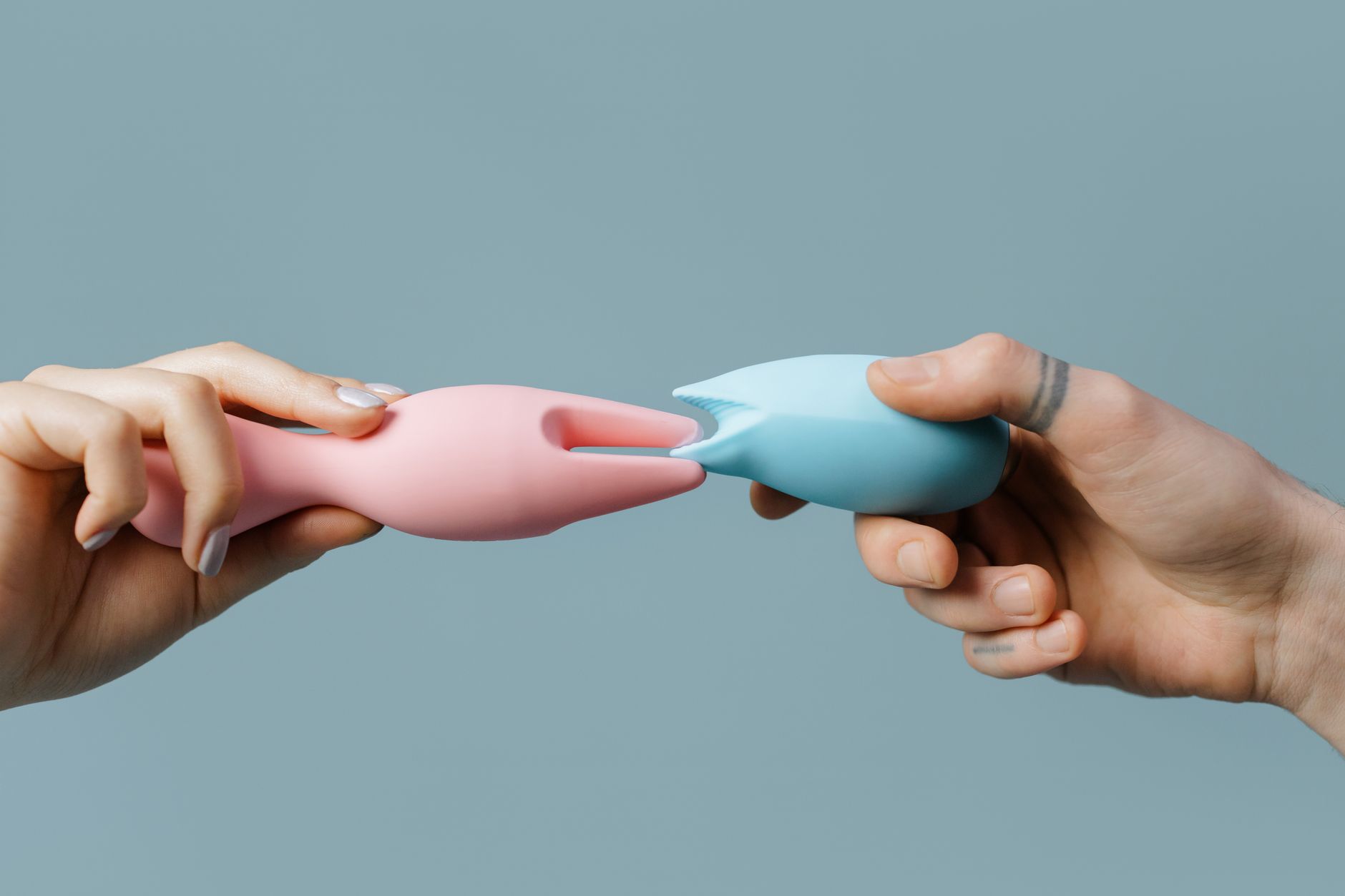
How to Use Lemon Vibrators to Rebuild Intimacy After a Long Dry Spell
Let's be real. If you haven't had sex in a long time, the idea of starting again feels less like rekindling and more like learning something totally new. Your body isn't the same. Your partner's isn't either. And emotionally, there's this weird cocktail of anticipation, rust, and maybe a little bit of fear. That's completely normal.
The gap matters less than people think. Whether it's been three months or three years, the physics of restarting is similar. Your body needs permission, time, and the right tools to remember what pleasure feels like. That's where lemon vibrators come in. They're not a shortcut to feeling like you did before. They're a bridge to feeling like you do now.
What actually happens when you restart after a long break
When you haven't been sexually active for an extended time, your body goes through a real adjustment period. Blood flow to the genitals slows down outside of arousal. The pelvic floor tightens. Lubrication production takes longer to kick in. For people with vulvas, the vaginal tissue becomes less elastic. For people with penises, erection response might be slower or require more direct stimulation.
This isn't damage. It's just what happens when any part of your body isn't regularly used. Your cardiovascular system does the same thing after a month of bed rest. The good news? It rebounds fast. Most people see significant changes within two to four weeks of regular activity.
What doesn't change: your capacity for pleasure, your nerve endings, your brain's ability to feel arousal. Those don't rust out. They just need a gentle reintroduction.
Why the restart feels emotionally heavier than the first time
Your first time ever was probably fumbling and new and exciting because the newness was the whole point. Restarting after a long break carries different weight. There's often grief attached. Maybe the relationship needed time apart. Maybe there was loss or illness or life circumstance. Maybe you just drifted.
There's also performance anxiety. You're not just wondering "will this feel good?" You're wondering "does my partner still want me? Did they find this elsewhere? Will they judge me if I'm rusty?" These are relational questions wearing a sexual disguise. Address them separately from the physical restart, or they'll sabotage both conversations.
I recommend this: have one conversation about what you each want emotionally from rebuilding intimacy (safety, closeness, playfulness, reassurance). Then have a completely separate conversation about the practical logistics (timing, pacing, what toys or positions help). Splitting them prevents one conversation from poisoning the other.
Starting with solo exploration first
Before you restart with a partner, consider spending time with yourself. This isn't about shame or secrecy. It's about data gathering.
Solo exploration tells you:
What your arousal pattern is now. Does it build quickly or slowly? Do you need a specific fantasy or context to get there? Does your body respond to different types of touch now than it did before? These answers matter because they make partnered sex easier, not harder. You'll know what you need instead of guessing.
Whether you have physical sensations to work around. Maybe penetration feels uncomfortable now because of pelvic floor tension, or you notice numbness, or you find out that your preferred sensation has shifted. You learn this alone first, then you can tell your partner without anxiety.
How your lemon vibrator feels on your body. Lemon clitoral vibrators work through suction and pulsation, which is gentler than direct vibration. If you've been inactive for a while, starting with a tool that doesn't require intense sensation is smart. Spend time on pattern 1 and 2. Notice how your body responds. There's no rush.
If you do this for a week or two before restarting with your partner, you'll walk into that conversation with actual knowledge instead of fear.
Pacing the restart with a partner
Here's what I see go wrong: people spend months not touching, then assume the first time back should feel like the old days. They plan a big romantic night, expect chemistry to just switch on, and then feel crushed when it doesn't feel like they remember.
Instead, think in phases.
Phase 1 (weeks 1-2): Touch that isn't goal-oriented. Hold hands. Kiss. Massage. Spend time skin-to-skin without expecting arousal. Your nervous system needs to remember that touch with this person is safe and desired. You're building a foundation, not sprinting to the finish.
Phase 2 (weeks 2-4): Introduce foreplay without penetration. This is where a lemon vibrator helps. Let your partner watch you use it on yourself, or have them help apply the suction. This is low-pressure, high-intimacy. You're learning each other's bodies again as they actually are now, not as they used to be.
Phase 3 (week 4+): Reintroduce whatever came next before. Some people jump to penetration. Some people want to stay in oral sex or manual stimulation. Your body will tell you what it's ready for. The lemon vibrator can be part of this phase too. Many couples find that incorporating a clitoral vibrator makes partnered sex feel less pressured because the clitoral stimulation is handled, and everyone can relax into the experience.
Why lemon vibrators specifically help with the restart
Lemon sexual toys, particularly lemon clitoral vibrators, are designed for exactly this scenario. They work through suction and pulsing patterns that don't require your body to be extremely aroused to feel good. That matters when you're restarting because you might not achieve the intense arousal you used to yet. That'll come.
The lem vibrator (Lemon's flagship product) has multiple intensity settings. You'll likely spend weeks on settings 1 and 2. That's not a sign of decreased capacity. It's a sign that your nervous system is slowly waking back up. By week three or four, you might be ready for 3 or 4. By month two, you might go back to higher settings. This progression mirrors real, healthy reconnection.
The suction mechanism also reduces overstimulation risk. When you've been inactive, direct vibration can feel jarring or even painful. Suction is distributed pressure. It feels more like sustained stimulation than drilling. That's why so many people rebuilding intimacy prefer lemon clitoral vibrators to traditional vibrators.
Lubrication matters here too. Restart using a good water-based lube regardless of your body's natural response. Not because something's wrong. Because lube reduces friction, increases comfort, and lets you stay present without discomfort as a distraction. Use it solo and partnered. There's no point in suffering through the first month just to prove something.
What to communicate with your partner as you restart
Tell them: "I might not feel like I used to for a while, and that's okay." This gives both of you permission to adjust expectations. Tell them what sensations feel best right now. If lemon sexual toys are part of the restart, show them how you use yours and ask if they want to be involved or just present.
Set a no-pressure agreement: "The goal is connection, not climax." This is genuinely the most important thing. If you're both fixated on whether you'll orgasm, you'll tense up and make it harder. Orgasm often comes back naturally once the body feels safe and present again. Forcing it stalls everything.
Check in after each encounter. "What felt good? What felt off? What do you want to try next time?" These quick debriefs prevent resentment from building up and also give you data for the next round.
The timeline is unpredictable, and that's fine
Some people restart and feel back to normal in four weeks. Some take four months. Hormones, stress, relationship dynamics, physical health, medication, and plain old individual variation all play a role. There's no right speed.
The goal isn't to get back to baseline fast. It's to build a sustainable rhythm that works for you now. Sometimes a long dry spell is actually a signal that your previous sexual pattern wasn't serving you anyway. Use the restart to build something different. Maybe that's more solo pleasure time. Maybe that's less frequent partnered sex but higher quality. Maybe that's finally exploring something you were always curious about.
Lemon vibrators and other adult toys exist to serve your pleasure, not to rush you through a recovery process. Use them as part of a slower, more intentional restart.
When to see a therapist or doctor
If pain appears during sex or solo play, don't push through. See a gynecologist or pelvic floor physical therapist. Sometimes inactivity creates real pelvic floor dysfunction that needs hands-on help. That's fixable.
If your desire hasn't returned after two months of regular activity, or if your partner's desire is wildly different from yours, that's when couples therapy or sex therapy helps. A professional can dig into whether it's a physiological issue, a relational one, or anxiety. Most of the time, it's a mix.
If you're restarting after trauma or a difficult breakup, individual therapy first. Working through that separately from rebuilding partnered intimacy protects both processes.
FAQ
How long should you wait before trying penetration after a long dry spell?
This depends on your pelvic floor and your comfort level, not a calendar date. Most people feel ready after two to four weeks of regular non-penetrative activity. Your body will give you signals: better lubrication, less tension, more arousal happening faster. If those aren't there, wait longer. Penetration should feel like something you want, not something you're testing. Using a lemon clitoral vibrator in the weeks before penetration helps a lot because it teaches your pelvic floor to relax during pleasure instead of clenching.
Is it normal for your body to feel completely different after months of inactivity?
Completely normal. Your body changes when you're inactive: lubrication production slows, pelvic floor tightens, and tissue elasticity shifts. You're also a different age than when you last had regular sex (even if it's only been a year). Your hormones might be different. Your stress level is definitely different. The restart always feels like starting over because your body actually is different. That's not failure. That's just anatomy meeting time.
Can using a lemon vibrator during the restart make it harder to feel pleasure with a partner later?
No. This is a myth. Using a clitoral vibrator trains your body to recognize arousal and pleasure in a safe, low-pressure way. That actually makes partnered sex easier, not harder, because you're less anxious about performance. Your body knows what pleasure feels like. You're less desperate for it to happen on command. That relaxation transfers directly to partner sex.
What if your partner wants to restart faster than you do?
Tell them. Directly. "I need to move slower. This isn't about you. It's about me feeling safe." If they push, that's a relational problem separate from the physical restart. You don't negotiate your body's pacing with anyone, ever. Slow always wins over fast in rebuilds because fast builds resentment.
How often should you be having sex during the restart phase?
Start with once or twice a week. That's frequent enough for your body to adapt and remember, infrequent enough that you're not pressuring yourself. Some weeks you'll want more. Some weeks life gets busy. That variance is fine. The goal is consistency, not frequency.
Is it weird to use a toy during partnered sex when you're restarting?
No. It's actually smart. A lemon clitoral vibrator takes pressure off both of you because you know arousal is being handled. Your partner isn't responsible for bringing you to climax through penetration alone. You're responsible for your own pleasure, and they get to participate. That's the healthiest dynamic anyway. Many couples find that adding a lem vibrator makes restart sex feel collaborative and less performance-focused.
Rebuilding intimacy after a long break isn't about returning to something you lost. It's about building something new with the people and bodies you actually are right now. That process is slower, but it's usually better. You're more intentional. You're less performative. You know what you actually like instead of what you think you should like.
Lemon vibrators and other sexual tools help because they remove shame from solo pleasure and give you control over arousal building. You're not waiting for your partner to unlock your pleasure. You're taking active part in it. That changes everything.
If you're navigating this restart and feeling stuck, reach out. Relationship transitions are my specialty, and rebuilding intimacy is deeply relational work, not just physical. We can figure out what's holding you back.