Returning to pleasure after a breakup is not what you think it is
Here's the thing: after a breakup, people usually think about two extremes. Either they swing toward a rebound mentality (jumping into sex to prove they're fine), or they shut down entirely, assuming their body is off-limits for a while. Both miss the actual work that needs to happen in between.
Breakups rewire your nervous system. Your body learned to respond to a specific person, a specific touch, a specific rhythm. That person is gone. Your body is still waiting for cues that never come. This isn't a moral failing. It's just neurology.
Why your pleasure feels different right now
When you're grieving a relationship (yes, even one that needed to end), your nervous system is in a low-grade alert state. Your brain is processing loss. Your body is used to being touched in ways that no longer happen. That combination makes pleasure feel distant, confusing, or weirdly disconnected.
You might notice that things that used to work no longer do. That your arousal takes longer to build. That orgasms feel muted or require more intensity than before. This is normal. Your nervous system is recalibrating, and it takes time.
Some people also feel guilt about pleasure after a breakup, especially if there's ongoing contact with an ex. Touching yourself can feel like a betrayal or a step forward you're not ready for. That's real, and it's worth acknowledging.
Why lemon vibrators are different for this moment
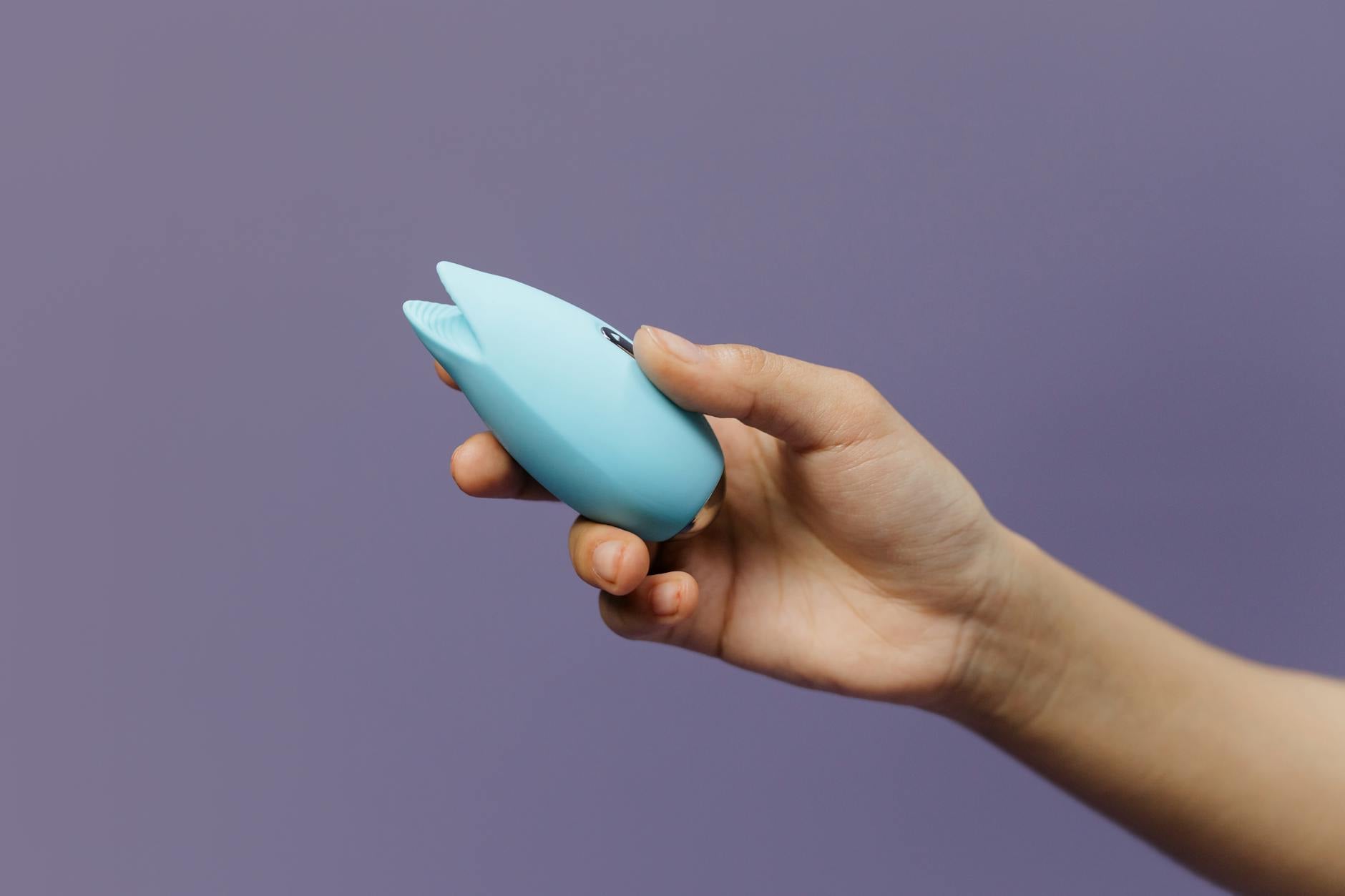
Lemon clitoral vibrators work differently than any other tool in your pleasure toolkit. Instead of the kind of rhythmic pulsing or thrusting that mimics partnered sex, lemon suction devices create a gentle pressure and release that feels almost meditative. There's no friction, no penetration cues, nothing that requires you to recreate someone else's touch.
This matters because rebuilding pleasure after heartbreak isn't about recreating what you had. It's about discovering what you actually want when there's no one else in the room. Lemon vibrators, especially something like The Lem, feel almost neutral in that way. They're tools for your own body's rediscovery, not a simulation of partnered sex.
The sensation is also different enough from what your ex-partner provided that it doesn't trigger old neural pathways. You're building new wiring, new muscle memory, new associations. That's actually what you want right now.
The practical steps to start again
First, set the environment intentionally.
You're not just masturbating here. You're having a conversation with your own body about what feels good when you're not performing for anyone. That means no rushing. No background worry about interruptions. No half-attention while your phone buzzes.
Dim the lights. Silence the phone. Maybe light a candle if that feels grounding rather than dramatic. The point is: this is a small ritual of taking yourself seriously.
Second, warm up longer than you think you need to.
Breakups slow down arousal. Your body isn't being touched by someone else, so you're not getting that external stimulation that used to accelerate desire. Budget 15-20 minutes just for touch that has nothing to do with orgasm. Hands on your thighs, your chest, your neck. Let your body remember that touch feels okay when you're the one controlling it.
Third, start at the lowest setting.
If you're using a lemon clitoral vibrator for the first time post-breakup, begin with the gentlest setting. Your nervous system is already managing grief and adjustment. You don't need aggressive stimulation. Let the suction sensation build slowly. You can always increase intensity, but rushing past comfort creates tension that works against you.
Fourth, notice what's actually happening, not what should happen.
You might not orgasm. You might get there but it feels different. You might find yourself crying. All of that is data, not failure. Your body is processing something complex. Let it.
The emotional work that makes the physical work matter
Here's what nobody tells you about returning to pleasure after heartbreak: the actual barrier is usually not physical. It's psychological.
You might feel guilty because the relationship ended and part of you is relieved. You might feel grief and excitement at the same time, which feels like cognitive dissonance your body doesn't know how to hold. You might feel shame about wanting pleasure when you "should" be grieving. You might feel afraid that pleasure means you didn't love the person enough, or that you loved them wrong.
None of those things are true. Pleasure is yours. It's not a statement about whether you loved someone or whether you should have stayed. It's just your body asking for something good.
If you find yourself repeatedly unable to relax or feel pleasure, consider talking to someone. A therapist who works with relationships and grief (not someone who pathologizes your sexuality) can help you work through what your nervous system is protecting you from. That's not weakness. That's what healing looks like.
When you're ready for partnered sex again
Using a lemon vibrator solo is also practice for what you'll want in partnered sex next. You're learning what intensity works for you. What rhythm you actually prefer. What your body needs to feel good when you're in control. That's information your next partner will be grateful to know.
You're also building proof that your body works. That your nervous system can still find pleasure. That you're not broken. That matters more than you think.
Some people find that lemon vibrators are something they want to continue using during partnered sex, once they get there. Others find that the solo work with a vibrator helps them feel more confident about communicating what they want. Both of those are good outcomes.
The timeline is yours
There's no schedule for this. You don't have to use a vibrator at all. You don't have to be "ready" for partnered sex by some arbitrary date. The goal is to move from a place of disconnection or guilt to a place where touch (whether from yourself or a partner) feels like something you choose because it feels good.
Lemon clitoral vibrators are just tools that make that reconnection gentler and more intentional. Your nervous system will move at its own pace. Trust it.
People also ask
How long does it usually take to feel pleasure again after a breakup?
There's no universal timeline. For some people, it's a few weeks of physical recovery and then easier access to arousal. For others, especially in longer relationships, it can take months for your body to fully recalibrate its nervous system. Grief is not linear, and pleasure recovery follows grief's timeline, not a calendar. If you're months in and feeling completely shut down, that's worth exploring with a therapist.
Can using lemon vibrators help me feel less lonely during a breakup?
Not in the way you mean, probably. Masturbation is not a substitute for connection, and framing it that way can turn self-pleasure into something that feels like a Band-Aid instead of a practice. That said, reclaiming pleasure for yourself is actually a form of self-care that fights the isolation breakups create. The goal is to remind yourself that your body is still capable of feeling good independent of someone else.
Is it weird to think about my ex while using a lemon vibrator?
No. Your brain has a lot of old wiring, and that wiring doesn't disappear just because the relationship did. If you find yourself thinking about your ex, you don't have to judge it. You can notice it, let it pass, and gently redirect your attention to what your body is feeling right now. If intrusive thoughts about your ex are really blocking your ability to be present, that's worth talking through with a therapist.
Should I tell a new partner that I use lemon vibrators?
That depends on the relationship and your comfort level. But yes, eventually. If a new partner is going to be in your sexual life, they should know about tools you enjoy using. A good partner won't feel threatened by a vibrator. They'll understand that it's not a replacement for them. It's something you like. If they do feel threatened, that's information about who they are and how they approach pleasure and intimacy.
Can I use a lemon vibrator if I'm still in contact with my ex?
Yes. Your body is yours. That said, if you're in a lot of contact with your ex (texting regularly, seeing them), rebuilding pleasure can be harder because your nervous system is still responding to their presence. If you can create distance, that helps. If you can't, be gentle with yourself about the fact that pleasure might take longer to return.
What if I don't feel anything with a lemon vibrator after a breakup?
Breakup grief can actually numb your nervous system temporarily. This is dissociation, and it's protective. Your body might be saying "not yet." That's fine. You can try again in a few weeks. If numbness persists for months, that could be depression, and talking to a doctor or therapist is the right move. Your body isn't broken. It's just processing.
You're not starting from zero
Your body remembers pleasure. Even if it feels completely distant right now, the neural pathways are still there. Reconnecting is not about learning something new. It's about remembering that your own touch, your own choice, your own body's responses matter.
Take your time. Set the space. Start with lemon vibrators if they appeal to you, or just your hands if that feels more right. And know that the fact that you're thinking about pleasure at all, even in the midst of heartbreak, means you're already rebuilding.