Let's start with the thing everyone skips
You've been with one person for years. Maybe decades. And now you're not. Between the logistical nightmare of untangling a life and the emotional wreckage, there's this quiet space where sex used to be. Not just the act itself. The feeling of being wanted. The rhythm you both knew. The permission to want things without negotiating them.
That space is uncomfortable. And here's what I've learned from working with hundreds of people in this exact position: the fastest way through that discomfort is not trying to get back into partnered sex. It's learning to be alone with your own desire again.
Why solo pleasure matters after a breakup
After a long relationship, there's a specific kind of sexual confusion happening in your body. You've spent years responding to someone else's touch, someone else's timing, someone else's preferences. Your pleasure became responsive instead of generative. You were skilled at reading a partner's rhythm but rusty at knowing what actually turns you on when nobody else is in the room.
This isn't a failure. It's the predictable neurological consequence of long-term partnership. Your brain got really good at partnered sex and really quiet about solo desire.
Rediscovering solo pleasure isn't self-indulgent. It's recalibration. It's rebuilding confidence in your own body before you invite someone else into it again. And clitoral vibrators like those from The Lemon Pleasure make that rediscovery exponentially faster because they bypass the hesitation and get straight to sensation.
The three phases of starting again
Phase one: Permission and presence. The first barrier isn't physical. It's psychological. You have to give yourself permission to want something for no reason except that you want it. Not for a partner. Not for procreation. Not for anything other than the fact that pleasure feels good and you deserve it.
This sounds simple. It's not. Many people describe guilt or weirdness in this first phase. That's normal. You're basically rewiring what you've been conditioned to believe sex is for. Block 20 minutes. Eliminate distractions. Don't make it a bigger project than it is. Just you and a clitoral vibrator in a room where you won't be interrupted.
Phase two: Exploration and tempo. Once permission lands, the next thing to reclaim is your own rhythm. Partnered sex usually has someone else's pace baked into it. Here, you get to decide if slow feels good or if fast is what you need. You get to stop whenever you want and start again five minutes later. You get to change your mind mid-session.
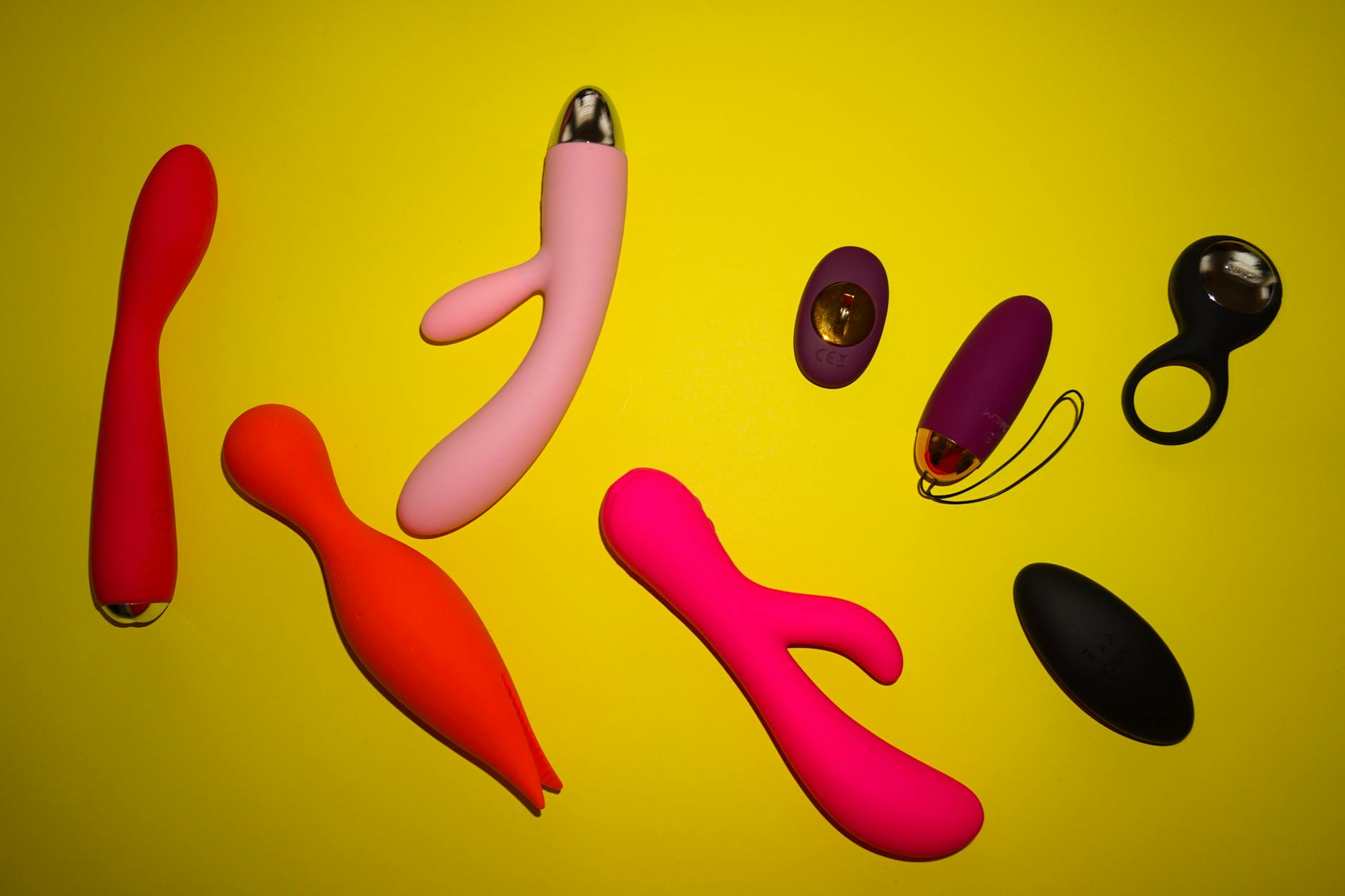
This is where a lemon sucker vibrator or clitoral vibrator becomes valuable. The patterns available in most clitoral vibrators let you explore what your body actually responds to without performing for anyone. Solo pleasure is the difference between being a participant and being a spectator in your own sexuality.
Phase three: Confidence and self-knowledge. After a few weeks of solo exploration, something shifts. You stop treating your pleasure like a puzzle and start treating it like data. You know what speeds work. You know what setting feels unsustainable versus sustainable. You know if you need mental focus or if you can do this while thinking about literally nothing.
This knowledge is your sexual resume. When you eventually want a partner again, you're not starting from scratch. You're starting from "here's what I know about my own body."
How to actually use a lemon vibrator if you haven't in years
Let's be practical for a moment. If you've been with one person for a long time, you might not have used a vibrator since before your relationship started. The technology has changed. The sensation is different than you remember. Here's how to ease in.
Start with the lowest setting. Seriously. The instinct is to go medium or high because you want to feel something, but your body has been in hibernation mode. Lower settings actually let you sense what's happening instead of just blasting past discomfort into sensation.
Use a water-based lubricant even if you don't think you need it. Anxiety can dry things out. Lube isn't a sign that something's wrong. It's a tool that lets you feel more, not less.
Don't expect an orgasm the first time. Or the second. The goal right now is sensation and information. What does this feel like? Where does it feel good? Does the pattern change how your attention works? These are the questions, not "did I come."
Many people returning to solo play after a long relationship describe the first few sessions as weirdly emotionally intense. You might feel sadness, anger, or grief. That's not a sign you should stop. That's your body and your nervous system processing that this is different now. Sit with it. Keep going.
Why lemon clitoral vibrators specifically
There are a thousand vibrators out there. I'm mentioning The Lemon Pleasure's lemon vibrators and lemon clitoral vibrator because the suction technology works particularly well for this exact use case. Suction stimulation feels different from traditional vibration. It's rhythmic but gentler initially. It pulls rather than pushes. For someone whose body is a bit cautious or disconnected, that difference matters.
Clitoral vibrators are also non-intimidating in a way that some larger toys can feel. After a breakup, many people aren't ready for anything that feels "intense." A lem vibrator or lemon sucker gives you intensity only when you want it, which is usually better for rebuilding confidence than starting with a tool that demands commitment.
The emotional stuff that gets tangled into the physical stuff
Here's what therapy and research and experience have taught me: you can't separate physical pleasure from emotional context, even when you're alone. If you're using a vibrator while also spiraling about your ex or panicking about whether you'll ever date again, your nervous system won't cooperate. Pleasure requires a specific kind of presence.
This is why I recommend starting solo pleasure practice in a protected emotional space. Not when you're actively grieving. Not when you're angry at your ex. Not when you're on a dating app doom-scrolling. Pick a time when you're reasonably okay. Not happy, necessarily. Just not in active crisis mode.
Also, pay attention to your internal narrative while you're exploring. If you're thinking "I'm doing this wrong" or "I'm too old for this" or "nobody's going to want me anyway," those thoughts are legitimate and also not useful right now. Notice them and redirect. You're not gathering evidence. You're gathering pleasure.
Moving from solo to partnered again
Eventually, when you're ready to have a partner in the picture again, the solo exploration you've done changes everything. You're not trying to figure out your body with someone else present. You already know the map. You can say "faster" or "that pattern again" or "I need more time" because you've lived in your own pleasure long enough to know what you're asking for.
And if a partner seems uncomfortable with the fact that you have a vibrator or that you know what you like, that's information worth having early. Long-term compatibility includes sexual compatibility. Solo exploration is how you figure out what that means for you.
FAQ: Starting over sexually after a long relationship
How long does it usually take to feel comfortable with solo pleasure again?
There's no standard timeline, but most people report a noticeable shift within 3-4 weeks of consistent exploration. That doesn't mean you're suddenly comfortable. It means your nervous system has started to recognize that this is safe and that pleasure is happening. Some people reconnect faster. Some take longer. Pay attention to your own pace, not some external measure.
Is it normal to feel emotional or sad while exploring solo pleasure after a breakup?
Completely normal. Your body holds the memory of partnered intimacy, and returning to solo exploration can trigger grief, even if intellectually you know the relationship needed to end. Those emotions don't mean you're doing something wrong. They mean your nervous system is processing change. Keep going anyway. The emotions usually soften as your body adjusts.
Should I use a vibrator if I'm still in contact with my ex?
This is personal, but I generally recommend rebuilding solo pleasure before you're actively entangled with your ex. If you're texting with them or seeing them regularly, you might use vibrator exploration as a way to process connection to them rather than reconnection to yourself. If you need space first, take it. Your pleasure will still be there.
Can I use a lemon vibrator or other clitoral vibrators if my body feels numb or disconnected?
Yes. Actually, that's exactly the time to use one. Numbness after a breakup is usually dissociation, and your nervous system is protecting you. Vibration plus intention can help rewaken sensation more quickly than trying to force yourself to feel. Start gentle and patient.
What if I don't orgasm while using a vibrator solo?
Orgasm isn't the point right now. Sensation and reconnection are. The goal is to remember that your body is capable of pleasure on its own terms. Orgasm might take weeks or months to return. That's okay. Focus on the journey, not the endpoint.
How do I know when I'm ready to date again after using vibrators to rebuild confidence?
You're ready when you can think about sex without anxiety or grief dominating the thought. When you know what you like and can communicate it. When you want a partner because you want them, not because you're terrified of being alone. Solo pleasure practice gets you there faster because it proves to your body and your brain that you're whole on your own.
The thing everyone forgets to mention
Starting over sexually after a long relationship isn't weakness or indulgence. It's the foundation of every healthy sexual experience you'll have later. You're not just using a vibrator. You're rebuilding your relationship with your own desire. You're gathering information about what actually turns you on versus what you thought you should want. You're proving to yourself that pleasure is possible alone, which changes everything about how you show up in partnered intimacy later.
That's worth the time. That's worth the discomfort. That's worth exploring with intention, even when it feels strange at first. Your pleasure matters. Solo or partnered. Before or after. That doesn't change.