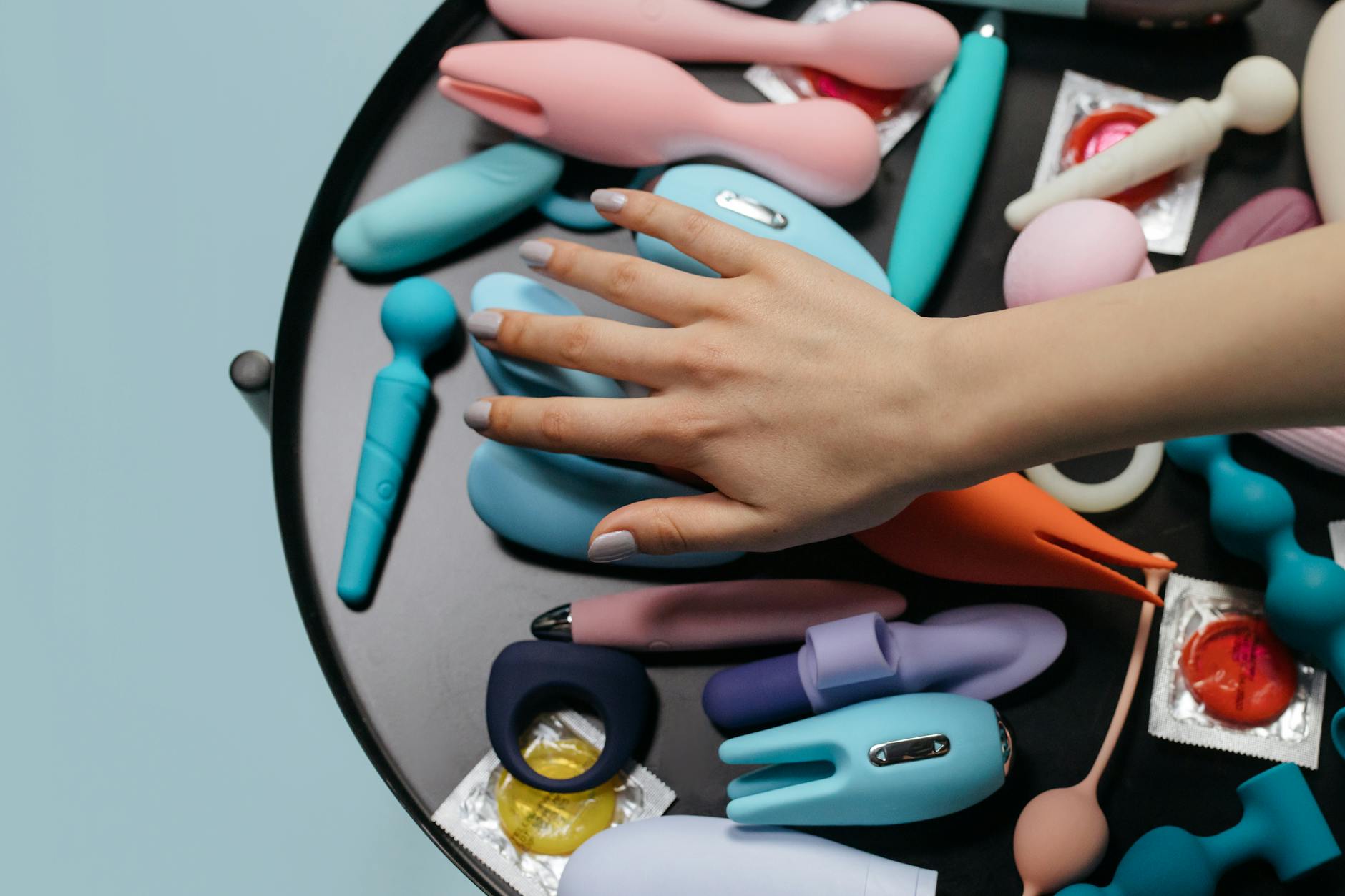
Delayed ejaculation (DE) is one of the least talked about sexual challenges in relationships, which means most couples dealing with it are convinced they're doing something wrong. They're not. What's happening is straightforward physiology meets relationship dynamics, and lemon vibrators can shift the entire conversation from pressure to pleasure.
When your partner has difficulty reaching orgasm, the default anxiety spirals look the same: "Is it me? Am I not attractive enough? Did I do something wrong?" The answer to all three is almost never yes. DE is often neurological, sometimes medication-related, occasionally rooted in past performance anxiety that's now self-perpetuating. But here's what changes everything. Instead of making his orgasm the goal, you focus on yours.
I work with couples on this constantly. The moment someone with a penis feels watched or judged, the nervous system clamps down. The harder you both try to make it happen, the less it happens. It's the same mechanism that causes erectile dysfunction. So the therapeutic move is radical: stop making his orgasm the metric of success.
Lemon clitoral vibrators enter here because they let you redirect the energy. You're not lying there trying to be tight enough, hot enough, or stimulating enough. You're actively experiencing pleasure on your terms. This shifts the dynamic from "can he finish" to "are we both feeling good." That mental freedom alone changes everything.
Delayed ejaculation often means longer sessions. Without a vibrator, you might feel fatigued or sore by minute 20 or 30. A lemon clitoral vibrator lets you stay engaged without physical strain. The air-suction technology doesn't require the same friction you'd need with manual stimulation, so you can enjoy yourself for as long as it takes without discomfort.
Start with your partner inside you or focused on partnered play. Turn on the vibrator at a lower intensity (patterns 1 or 2) and explore what feels good. The rhythm doesn't need to sync with his thrusts. In fact, independent stimulation often works better because it keeps your nervous system in pleasure mode rather than trying to time things perfectly.
Many couples find that when the person with a vulva is clearly having good sensations, the performance pressure dissolves. Your partner can relax into the experience instead of performing. That relaxation is often what finally allows arousal to build naturally.
Before introducing any toy, you and your partner need to agree on what success looks like. Is it his orgasm? Is it both of you feeling connected? Is it just 20 minutes of mutual pleasure without a specific endpoint? Get specific. When DE is in the picture, open-ended sex can actually fuel anxiety because there's no "finish line" to know when you're done.
I recommend framing it like this: "I want to explore ways we can both feel really good without putting pressure on any particular outcome." That's honest, and it depressurizes the situation immediately. Then you can introduce the vibrator as a tool for your pleasure, not as a workaround for his difficulty. Which, honestly, it is.
If you're having penetrative sex, the vibrator sits on your clitoris while your partner enters. This is straightforward. If you're doing other forms of intimate play (oral, manual, or external stimulation), you can use the vibrator simultaneously, or alternate focus.
Some couples find that external stimulation alone (without penetration) works better for delayed ejaculation because it reduces performance pressure on the partner. There's no physical exertion required, so his nervous system can stay relaxed. You get consistent, customizable pleasure. He gets to focus on connection and sensation without the biomechanical stress.
Start at pattern 1 or 2 and stay there. You're not racing toward intensity. The goal is sustained pleasure, not a sprint to climax. Many people with delayed ejaculation find that the longer everyone stays relaxed and present, the more natural arousal becomes.
Some partners find it helpful to take breaks during sex. Five minutes of penetration, step back, focus on the vibrator for a few minutes, then reconnect. This breaks up any tension that's accumulated and lets both partners reset mentally. It also gives your partner a pause, which can sometimes help when he's been trying too hard.
Timing matters too. Delayed ejaculation is often worse when there's stress, fatigue, or performance anxiety about having "enough time." Plan intimacy for when you're both relaxed. That might mean a Saturday afternoon instead of a rushed evening. It might mean explicitly agreeing you have two hours to play without a specific outcome.
Rarely, a partner with DE feels like the vibrator is "replacing" him or making him feel inadequate. If this comes up, you've got a conversation to have. It's not about the toy. It's about insecurity and possibly some deeper beliefs about what male pleasure "should" look like. A therapist who specializes in sexual health can help unpack this.
In the meantime, reframe it: "This isn't about you being replaced. It's about me being able to stay present and enjoy myself for as long as we're together." That's not dismissive. It's true. When you're not uncomfortable or self-conscious, you're more relaxed, more connected, and more able to be intimate with your partner. Everyone benefits.
Here's what I see happen when couples introduce lemon vibrators in the context of delayed ejaculation. The focus moves from "why can't you finish" to "this feels really good." That's not a small thing. It's the difference between sex feeling like a problem to solve and sex feeling like a pleasure to share.
Your partner stops performing and starts being present. You stop accommodating and start enjoying. The entire dynamic shifts. Sometimes DE resolves on its own once the pressure lifts. Sometimes it doesn't, and you both realize it doesn't actually matter because you're having great sex anyway.
If DE is new or sudden, there might be an underlying medical issue. Antidepressants, blood pressure medication, and hormonal changes can all contribute. A conversation with his doctor is worth having. If it's longstanding and rooted in anxiety, a sex therapist trained in cognitive behavioral approaches can help.
But you don't need to wait for professional intervention to start using lemon vibrators and shifting the conversation in your relationship. You can do that today. Start with the reframe, have the conversation about what success means, and introduce the tool as something for both of your pleasure. Everything else follows from there.
Not directly. A vibrator won't make your partner orgasm faster. What it does is reduce the performance pressure on both of you, which often helps the nervous system relax enough for arousal to build naturally. That indirect effect is powerful.
Completely normal. Delayed ejaculation affects about 8-10% of people with penises at some point in their lives. It's more common than most people think, which is why so many couples feel isolated dealing with it. You're not alone, and there's no timeline you "should" be on.
That's worth exploring together. Is it shame? Is it feeling inadequate? Is it just unfamiliarity? A non-judgmental conversation can help. If he's resistant to anything that might help, that might point to deeper anxiety or relationship dynamics worth addressing with a therapist.
No. The vibrator is for you. If you both want to explore it touching him, that's a separate conversation and exploration. But the primary purpose here is maintaining your pleasure and comfort during longer sessions.
Start with once a week and see how it feels. There's no pressure to use it every time. Some couples find that rotating between sex with the vibrator and sex without it keeps things fresh and reduces the sense that the toy is a "requirement."
Then the issue might be deeper than a physical solution can address. That's actually valuable information. It might point to relationship stress, unresolved resentment, or anxiety that would benefit from couples therapy. The vibrator is a tool for pleasure, not a fix for relationship problems.
When your partner has delayed ejaculation, the smartest move is to stop making his orgasm the goal. Redirect your energy toward your own pleasure, use tools like lemon clitoral vibrators that let you stay engaged without strain, and watch how the pressure dissolves. Most couples find that when the goal shifts from performance to connection, everything gets easier. That's not a workaround. That's actually how good sex works.
If you want to explore tools that support pleasure without performance pressure, check out our buying guide to find what fits your needs. Or reach out to us at The Lemon Pleasure if you have specific questions about how to introduce toys in your relationship.