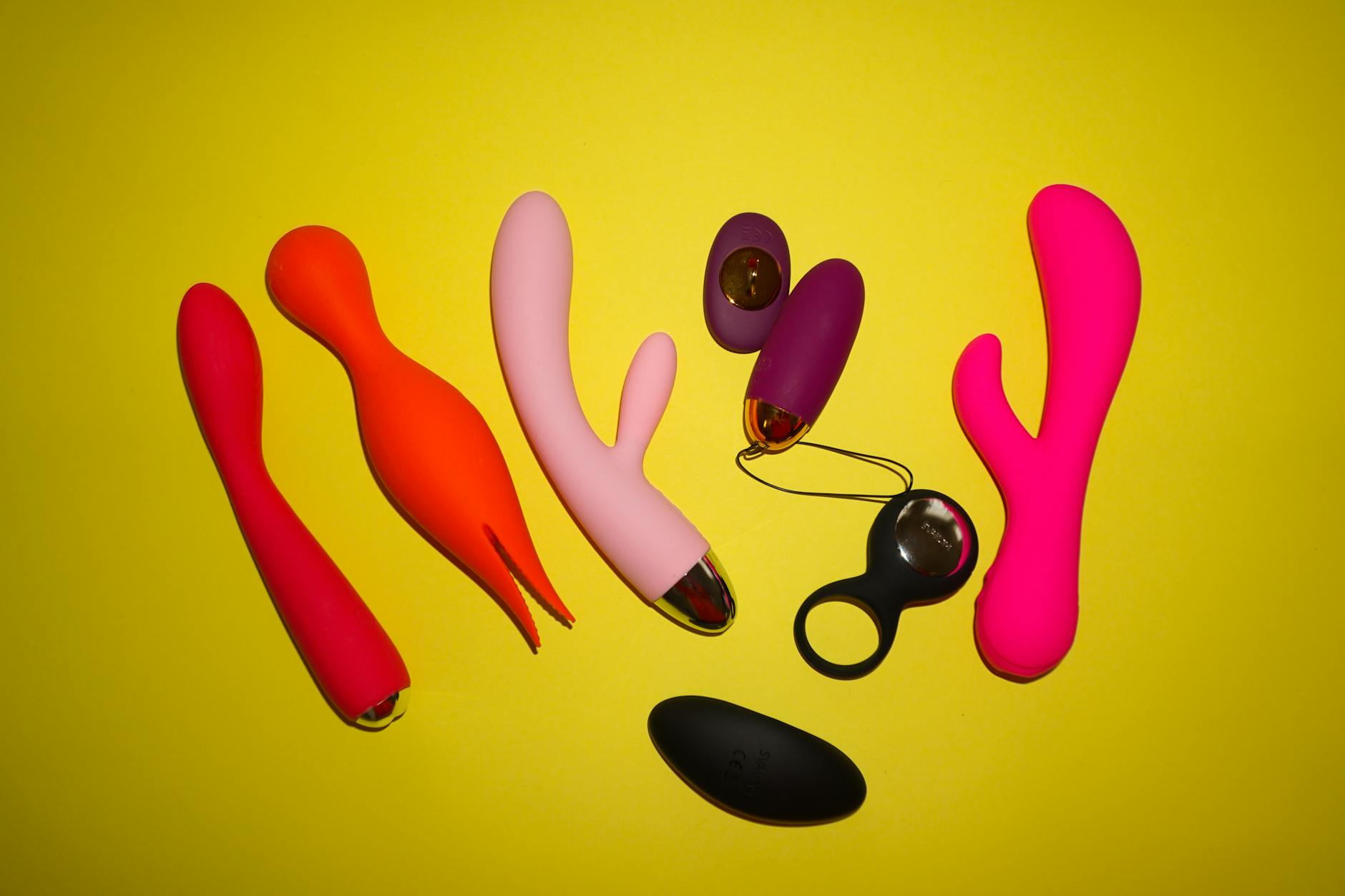
How to Use Lemon Vibrators When Pleasure Feels Numb and Disconnected
Sensation fading during sex doesn't mean you're broken. Here's what causes numbness, why lemon vibrators and clitoral stimulation help rewire the connection, and what actually works to bring pleasure back online.
Let's be real. Numbness during sex is one of the loneliest experiences. You're there, your partner is there, everything looks fine from the outside. But internally? Static. Radio silence between your brain and your body. That disconnect can feel like failure, but it's almost never about you being broken. It's about a signal that got lost somewhere.
Numbness during arousal falls into a few categories, and understanding which one you're dealing with changes everything about how you fix it. Some of it is neurological. Some is psychological. Most of the time it's both tangled together. The good news is that lemon vibrators and clitoral stimulation work differently than the patterns your body's grown used to, and that difference is often exactly what reconnects you.
Your vulva has roughly 8,000 nerve endings, mostly concentrated in the clitoris. These nerves are constantly talking to your brain, sending tiny electrical messages that say "this feels good" or "this feels like nothing." When sensation goes flat, something has interrupted that conversation.
Here's where it gets interesting. Most people assume numbness means the nerves are dead. They're not. The nerves are fine. What's happened is one of these things: your brain has stopped listening, the stimulation pattern has become so predictable that it registers as background noise, blood flow isn't reaching the area properly, or you're tensing muscles without realizing it. Sometimes all of those at once.
This is why your hand stops working but a lemon vibrator, which operates through rapid suction and micro-stimulation rather than direct pressure, can feel revolutionary. It's not touching you in the same way. Your nervous system actually registers it as new.
Think of your nervous system like a speaker in a room. The first time you hear a song, you notice everything. Play it every day for a year? You stop hearing it. Your brain decides this input is not a threat and not a reward, so it stops paying attention. In sexual terms, this is called sensory habituation, and it's completely normal and completely fixable.
If you've been using the same toy, same pattern, same speed, same hand motion for months or years, your clitoris has learned to tune it out. Your body's not being stubborn. It's being efficient. It's saying "I know this already."
Lemon vibrators work partly because they're different. The air-suction mechanism doesn't function like a vibration or a rub. It's a pattern your nervous system hasn't learned yet, so it pays attention again. That's not mystical. That's just basic neuroplasticity.
Here's the trickier piece. Sometimes sensation flatlines because you're anxious, distracted, or disconnected from the experience emotionally. You're physically present but mentally somewhere else. Your partner's touching you, but you're thinking about work, or your body, or whether they're judging you. That's not a clitoral nerve problem. That's a presence problem.
Psychological numbness feels exactly like nerve numbness, but the fix isn't vibration. It's attention. Lemon vibrators can actually help here too, but not because they're stronger. They help because they're intentional. Using a clitoral vibrator requires you to pause, focus, and do something for yourself. That act of deliberate self-direction often pulls you back into your body when nothing else will.
If your numbness started after a relationship shift, a trauma, a bout of depression, or increased life stress, psychological is probably your primary issue. If it's been gradual and consistent over years, and it happens whether you're solo or with a partner, sensory habituation is likely the culprit. Most people have a mix.
Lemon vibrators operate through a totally different mechanism than traditional vibrators. Instead of the buzzing friction that touches your hand or most toys, they use gentle suction combined with micro-vibrations to stimulate the clitoris. This matters because your body hasn't habituated to it. You still have novelty.
The suction also changes blood flow. It draws oxygenated blood to the area, which enhances nerve sensitivity. You're not just getting new sensation, you're physically increasing the tissue's capacity to feel. That's why many people report that using a lemon clitoral vibrator feels stronger or more acute than they expected, even though it's not actually more intense. Your clitoris is just waking up.
Start with the lowest setting. Suction-based toys feel different enough that you want to learn their rhythm before turning them up. Place it directly on the clitoris, not beside it. You want contact. Stay there for three to five minutes before adjusting intensity or speed. The goal isn't orgasm. It's sensation.
If numbness has been hanging around for a while, your clitoris has learned to ignore most stimulation. You can't just shock it back awake. You have to retrain it slowly and deliberately.
Week one: solo play only, lemon vibrator, lowest setting, five to ten minutes a session. Don't push for orgasm. Just notice what you feel. Notice texture, temperature, the rhythm, where sensation is strongest. Do this three or four times during the week. The goal is literally just to feel something. Many people report that after years of numbness, this alone is shocking.
Week two: same routine, but add a second 5-minute session at a slightly higher intensity level. You're building sensitivity, not chasing climax. Stop if you get tense or frustrated.
Week three: keep the routine, but introduce variability. Try different patterns if your lemon vibrator offers them. Try different positions. Try different times of day. Your nervous system learns through variation.
Week four: if sensation is returning, start incorporating it during partnered sex. Let your partner know what you're doing and why. Use the vibrator solo first to warm up, then continue during partner touch. This is not your partner being replaced. It's your body getting the signal boost it needs to feel them.
If after four weeks you're still numb, don't blame the toy or yourself. Some numbness requires professional help (we'll cover that below).
I can't overstate this. When you're anxious, distracted, or emotionally withdrawn, your body actually does go numb. Your nervous system is designed to disconnect from sensation when it's in survival mode. If your brain thinks you're unsafe or under threat, it shuts down pleasure signals to conserve energy for fight, flight, or freeze.
This is why using a lemon vibrator solo, in a space where you feel safe, might wake up sensation that stays dead during partnered sex. You're removing threat signals from the environment. Your body feels permission to feel.
If psychological disconnection is your primary issue, the vibrator is a starting point, not a destination. You might also need to work with a therapist on the underlying anxiety or trauma that caused the disconnect. But many people find that rebuilding physical sensation solo actually helps rebuild trust in their own body, which then helps with the relationship piece.
Assuming you're in a relationship and want to use lemon vibrators together, timing and communication matter wildly. Don't just pull it out mid-sex. That's shocking and removes agency.
Instead, tell them in a non-sexual context that you've been experiencing numbness and you want to try something new to help reconnect. Show them the toy. Let them feel it. Explain what you're doing and why. The hottest part of this conversation for most partners isn't the vibrator itself, it's the fact that you're prioritizing your own pleasure and being direct about it.
Many partners feel relieved by this. They've probably noticed the disconnection too. They might have been blaming themselves. A lemon vibrator becomes a shared tool, not a replacement.
If you've tried this for eight weeks and sensation still isn't returning, or if numbness developed suddenly after a medication change, it's time to see a healthcare provider. Numbness can occasionally signal a neurological issue, hormonal change, or medication side effect that needs professional attention.
Similarly, if psychological factors are strong (trauma, depression, relationship crisis), a therapist trained in somatic work or sex therapy can help. A lemon vibrator is a tool. It's not a substitute for treating the underlying cause.
Your nervous system can be physically aroused (heart rate up, breathing fast, blood flow going where it should) while sensation is disconnected. This happens most often when you're anxious or distracted. Your body's preparing for sexual response, but your brain isn't present to register it. Try using your lemon vibrator in a calm, distraction-free environment. Phone off, lights dimmed, time blocked off. Sometimes sensation returns the moment you remove external pressure.
No. Lemon clitoral vibrators don't cause nerve damage. What they do is the opposite of numbness. But if you use any toy intensively for extended periods (like an hour daily), you might experience temporary desensitization to that specific toy, which is why I recommend rotating patterns and taking breaks. Use your toy three to four times a week, not daily. Give your nervous system time to reset.
Use it. Numbness doesn't improve by waiting. It improves through deliberate, gentle reactivation. Start at the lowest setting and take it slow. You're not forcing pleasure. You're inviting your body back online. If after a few sessions it feels completely pointless, that's when you bring in a professional.
They feel identical from the inside. The difference is in the context. Psychological numbness usually comes with avoidance (you don't want to be sexual) or distraction (your mind keeps wandering). Nerve numbness is more pure blankness, like the sensation pathway just isn't lit up. But most real-life numbness is both tangled together. Using a lemon vibrator addresses the sensation piece while you work on the psychological piece separately.
Many people report some sensation returning within two to three weeks of consistent, intentional use. Some feel it after three sessions. Others take six weeks. Your individual timeline depends on how long you've been numb, whether psychological factors are involved, and whether you're rebuilding sensation solo or with a partner. Consistency matters more than intensity.
Yes, but start solo first. When you're solo, you control the pace and can focus entirely on sensation without worrying about your partner's experience. Once you've rebuilt some sensation on your own, partnered play is often richer. Some couples find that their partner using the vibrator on them is intensely bonding, but that works best after you've reconnected with yourself.
Sensation fading isn't a verdict. It's information. It's your nervous system saying something in the pattern needs to change, or something in your environment or mental state needs attention. A lemon vibrator often provides that change. Different sensation patterns, different mechanism, different intention. Many people find that reconnection starts the moment they try something that doesn't look or feel like what stopped working.
Your body wants to feel pleasure. You don't have to do anything special to deserve it. You just have to get curious about what's getting in the way, then gently remove it. If you want to explore your options further or have questions about how to approach numbness in your specific situation, you can always reach out to us. We're here to help you reconnect.