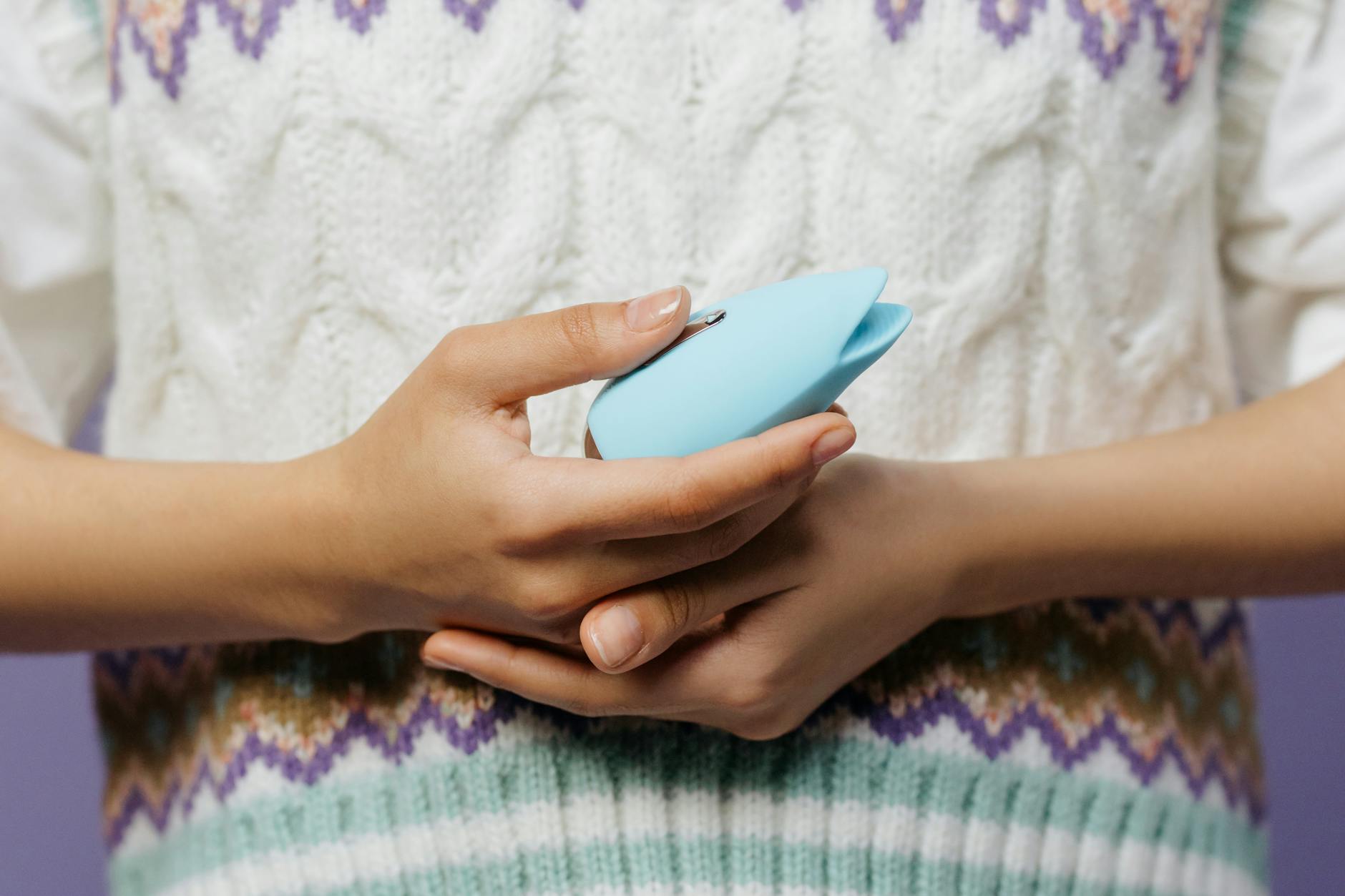
Let's be real. The narrative around pleasure after 50 is mostly silence punctuated by awkward jokes. Nobody teaches you that rediscovering your body mid-life can be one of the most grounded, intentional experiences you've ever had. And nobody mentions that tools like lemon vibrators can make that rediscovery feel less like rehabilitation and more like reclamation.
I work with clients in their 50s, 60s, and beyond who are navigating new chapters. Some are single again after decades of marriage. Others are reconnecting with partners after long periods of disconnection. Many haven't touched their own pleasure with any real intention since their 30s. What strikes me most is how quickly shame dissolves once they give themselves permission to explore.
The 50+ body is not a broken body
Here's what I need you to know first: your body hasn't betrayed you. It's changed. That's different.
Tissue thins slightly. Lubrication requires more time and intention. Blood flow to the genitals takes a beat longer to establish. Orgasms might feel different in shape and rhythm. These aren't failures. They're information. And they're part of why clitoral vibrators, especially ones designed with suction like the Lem, work so effectively for people in this phase of life.
The physical shifts you're noticing aren't unique to you, and they're not permanent obstacles. They're actually opportunities to slow down and pay attention in ways you might never have done before. Most women I work with tell me their 50s brought more intentional pleasure than their 40s, which brought more than their 30s. Intention beats spontaneity almost every time.
Why starting over feels different at 50
There's a particular kind of freedom that arrives after 50. You've already proven something. You've raised kids, built careers, weathered disappointments. The stakes of being "perfect" at sex have disappeared. And that's where the magic lives.
Many people in this season were taught to view their pleasure as incidental, something that happened if their partner wanted it to happen. After 50, for the first time, some of you are choosing to make it central. Not as performance for someone else, but as a conversation with yourself.
That reorientation is powerful. And it's also nervous-making. Which is exactly why having a tool like a lemon vibrator can help. It's tactile proof that you're taking this seriously. It's permission in object form.
How to start without embarrassment
Let's address the voice in your head that says this is silly, or desperate, or inappropriate for a woman your age. That voice is not protection. It's internalized messaging that you inherited, and you don't have to believe it anymore.
Start small. You don't need to have a grand reclamation moment. Begin with the basics: a warm bath, privacy, no agenda. Bring a water-based lubricant. You might not think you need it, but even if your body is responsive, lube removes friction and changes the sensation from "trying to achieve something" to "exploring what feels good."
Hold the lemon vibrator, don't turn it on yet. Notice the weight, the shape, the texture. This is a tool you're getting to know. There's no performance in getting to know something.
When you turn it on, start at the lowest setting. Most people discover they want settings 2 or 3 on a clitoral vibrator like the Lem, not the highest intensity. Your nervous system doesn't crave maximum stimulation. It craves attention. The suction-based design of lemon vibrators works beautifully here because it provides stimulation without the aggressive vibration that can feel too direct for sensitive tissue.
Pleasure without a partner is not lonely
Many of my clients at 50+ are exploring solo pleasure for the first time. If that's you, know this: there's no expiration date on learning your own body. In fact, learning it now, by yourself, is radical. You're gathering information that only you can gather. You're building a map of what you actually enjoy, not what you think you should enjoy or what your partner has preferred.
When you're solo, you can take 45 minutes or 5 minutes. You can explore one kind of touch for weeks. You can discover that what worked in your 40s doesn't work now, and that's not loss. That's evolution.
If you've been partnered for decades and are newly single, this phase can feel strange. Guilt might arrive. Weirdness might visit. That's normal. Most of that dissolves with repetition and permission. By the third or fourth time you use a lemon vibrator solo, it stops feeling transgressive and starts feeling like self-care.
If you're with a partner, the conversation matters more than the toy
Introducing a lemon clitoral vibrator into partnered sex at 50+ requires conversation, but not the kind you might fear. You're not asking for permission. You're sharing information.
Try something like: "I've been thinking about what would help me feel more pleasure during sex. I want to explore some things with you, and I picked up a vibrator." Not apologetic. Not framing it as a complaint about them. Framing it as new territory you want to map together.
Most partners respond well to this approach because they usually want you to feel good. They just weren't sure what you wanted. You've now told them.
Using a lemon vibrator during partnered sex is straightforward. Some couples integrate it during foreplay. Others use it during penetration if that's part of their routine. Still others discover that solo use before a partnered encounter creates more sensation and connection than anything else.
The key is that it's one tool in a larger conversation about pleasure, not a substitute for that conversation.
The physical details that actually matter
Water-based lubricant is non-negotiable. Silicone lube feels richer, but it can damage silicone toys. Water-based might feel less luxurious at first, but your body warms it and it becomes part of the experience. Reapply if things feel dry. Dryness is not a personal failing. It's just information that you need more lube.
Start with shorter sessions. Ten minutes is plenty. Your body is recalibrating what sensation feels like, and shorter exposure helps you notice nuance instead of chasing intensity.
Take breaks. If you get frustrated that an orgasm isn't happening, pause. The clit is sensitive and too much continuous stimulation can actually dull sensation. Stop, breathe, maybe do something else for five minutes, then come back.
Cleaning is simple. Warm water and a toy-safe cleanser, or just soap and water. Pat dry. Store in a clean space away from sunlight.
What happens when things don't feel like they used to
Orgasms might be quieter. Or they might be longer and more rolling. Your body might take longer to build arousal. This isn't decline. This is your body being more deliberate. And honestly, it's often more pleasurable, not less.
If you experience pain during any of this, stop and see a gynecologist. Pain is useful information that something needs attention. Many issues that feel permanent can be addressed with topical estrogen cream or other simple treatments.
If you're on medications that affect lubrication or sensation, ask your doctor about it. You might have options you don't know exist.
Most importantly, release the idea that your pleasure should feel the same as it did at 35. It's not supposed to. Your nervous system has changed. Your body has changed. And change isn't the enemy of pleasure. Change is information.
When to involve professional support
If shame is preventing you from exploring, a therapist who specializes in sexuality can help. If your body is responding completely differently and it's distressing, a gynecologist trained in midlife sexual health can offer real solutions. If you're in a relationship and integrating this is causing conflict, a couples counselor can help you navigate the conversation.
There's no shame in getting support. In fact, this is exactly what support is for.
The reframe that changes everything
You don't have to earn pleasure. You don't have to complete some prerequisite. You don't have to wait until you're partnered, or younger, or "ready," or any other condition you've invented. At 50, you have enough life experience to know what you want and the right to pursue it.
A lemon vibrator is a tool that makes exploration easier. That's it. But that tool, combined with permission and a little bit of curiosity, can open a door that's been closed for decades. And what's on the other side is often richer, more deliberate, and more yours than anything that came before.